Audio Descriptions

Make Your Videos More Accessible

Audio descriptions are narrated explanations added to video content. They describe what is happening on screen: actions, settings, text on slides, body language, and other visual information not conveyed through dialogue or sound alone. For viewers who are blind or have low vision, audio descriptions are the difference between understanding a video and being left out of it entirely. They make your content accessible, inclusive, and compliant. There are two types of audio descriptions:

Standard Audio Descriptions fit narration into natural pauses in the existing audio. The video length stays the same.

Extended Audio Descriptions pause the video briefly to allow for longer, more detailed descriptions. This “extends” the length of the original video.
What's The Difference?

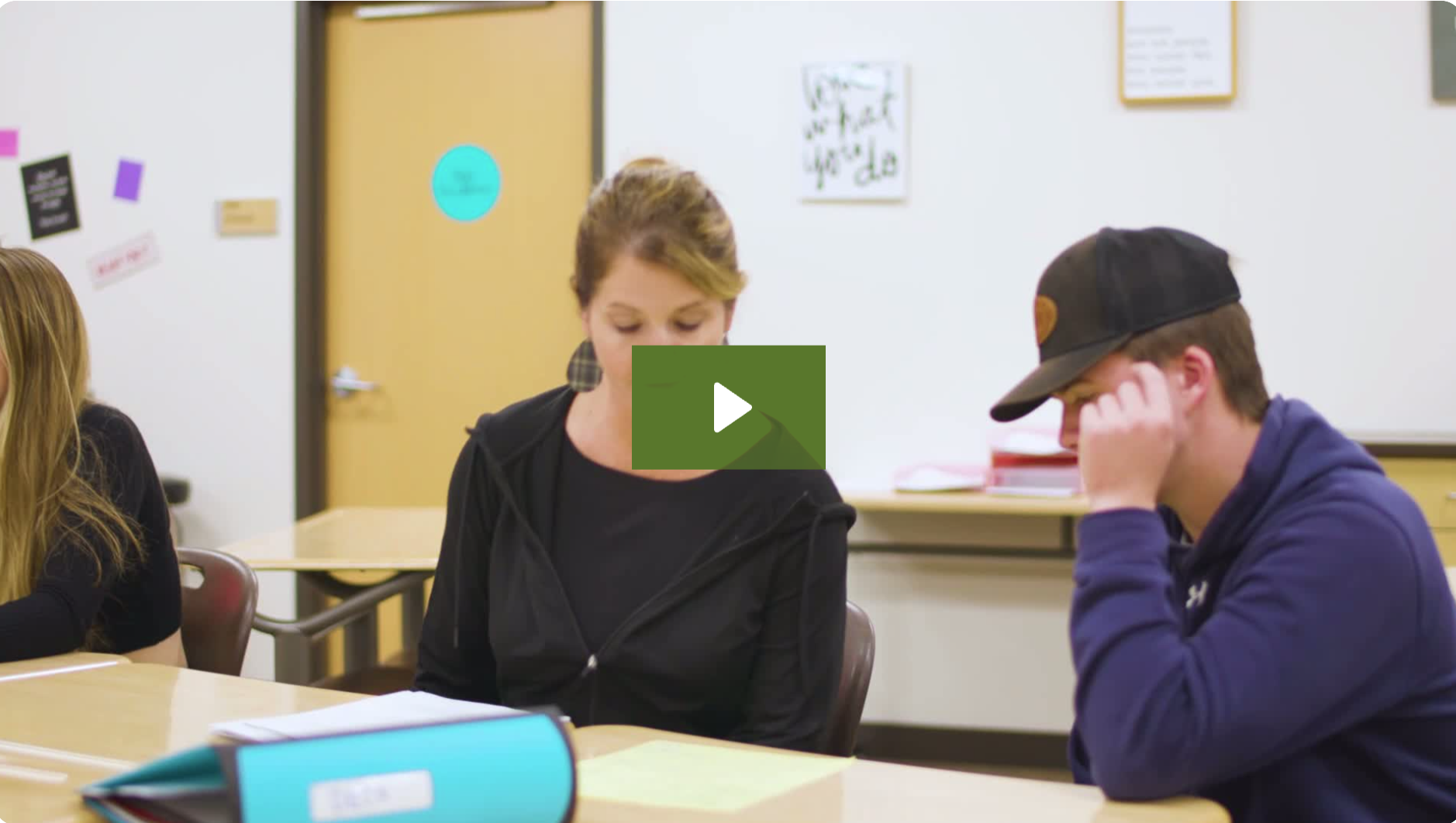
Here are two versions of a video we recently completed for a client. Video #1 is the original video we completed. Video #2 is a version of the same video with extended audio descriptions. 

Standard Video

Extended Audio Description

New Federal Requirements

The U.S. Department of Justice updated its ADA Title II regulations to require that public entities make their digital content fully accessible to people with disabilities. That includes video. Specifically, pre-recorded video content must meet WCAG 2.1 Level AA standards, which include the provision of audio descriptions.

The compliance deadline is April 24, 2026 for large organizations and April 2027 for smaller entities. Any video your organization publishes online, whether on your website, social media, or internal platforms, may need to meet these requirements. That includes new content going forward and, depending on your situation, legacy videos already in circulation.

Web Content Accessibility Guidelines website for more information. Captivate now offers audio description services for all video content we produce, as well as updating existing video in your library.

Contact us to learn more.